Many people don't have enough room in their mouth for wisdom teeth. When they get stuck, they can cause pain, infection and damage to the teeth beside them. Dr Tuckett assesses them and, where it's the right call, removes them safely. Consultations are held at each of his rooms.
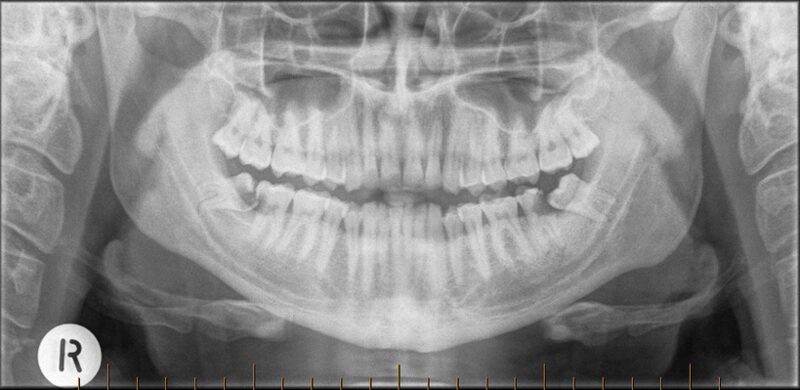
Impacted lower wisdom teeth that have caused irreparable damage to the second molar teeth.
10 to 60 minfor a single tooth, depending on its position
Local or generalanaesthetic, chosen with you
About a weekto recover for most people
Specialist surgeonoral and maxillofacial, Brisbane
About wisdom teeth
What wisdom teeth are, and why many of us don't have room for them
Wisdom teeth are the third molar teeth right at the back of your mouth. They are the last teeth to emerge into the mouth, usually between the ages of 16 and 26. Some people have no wisdom teeth, though most have between one and four. Some people even have more.
Historically, we had much larger jaws and wisdom teeth were needed to help us chew our unprocessed diet. As humans have evolved, our jaws have become smaller and we often no longer have space for the wisdom teeth to function as teeth.
Why would I need removal of my wisdom teeth?
Three things go wrong with impacted wisdom teeth
Many people do not have enough room in their mouths for wisdom teeth. This means that wisdom teeth can become stuck against a tooth or stuck in the bone when trying to emerge into the mouth, this is called impaction. Often these impacted teeth do not come through the gum or only partially come through the gum.
1
Trapped food, then infection
This can lead to food becoming trapped causing discomfort. Impacted wisdom teeth can lead to inflammation or infection of the gums and subsequent pain and swelling called pericoronitis.
2
Damage to the teeth beside them
This can cause decay/cavities on your other molar teeth and lead to them needing removal if not treated early. Examination and X-rays often show early damage before you feel anything.
3
Cysts and tumours
Sometimes a cyst or tumour can form around an impacted wisdom tooth. If this is not picked up and treated early, it can mean more extensive surgery on the bone and other teeth may be required.
See it on an X-ray
What impacted wisdom teeth can look like
One example X-ray. Select a number to see what it shows, show all the labels, or take the short guided tour.
This explains one example X-ray. It's not a diagnosis. It can't tell you what's happening in your own mouth. That takes an examination and your own imaging.
Start here
Select a number on the X-ray
This X-ray shows the upper and lower teeth and both jaws on one picture. The lower wisdom teeth are the last teeth at the back of the bottom jaw, and on this X-ray they're stuck.
Use the numbers, or press Start the tour and we'll go through them one at a time.
Wisdom tooth, left of the picture
An impacted lower wisdom tooth
Many people don't have enough room for their wisdom teeth. Here the tooth is impacted: it's stuck against the tooth in front and sits at an angle, so it can't come through properly.
An impacted tooth that's partly through the gum can trap food. That can inflame or infect the gum, with pain and swelling.
Second molar, left of the picture
The tooth in front
This is the second molar, the tooth directly in front of the wisdom tooth. An impacted wisdom tooth can damage it.
This shows a large dark cavity on the tooth caused by the impacted wisdom tooth. This tooth will now need to be removed as well because the wisdom tooth was not removed earlier.
Wisdom tooth, right of the picture
The same problem on the other side
The lower wisdom tooth on this side is impacted too. It's tipped against the second molar in front of it.
Impacted wisdom teeth often need removing even when they aren't causing symptoms, because early damage can be there before you feel anything.
Second molar, right of the picture
Another second molar affected
Both second molars on this X-ray have been damaged by the wisdom teeth behind them.
This shows a large dark cavity on the tooth caused by the impacted wisdom tooth. This tooth will now need to be removed as well because the wisdom tooth was not removed earlier.
The lower jaw
The jawbone around the teeth
The teeth sit in the jawbone. An impacted wisdom tooth can be stuck in this bone rather than sitting clear of it in the gum.
Sometimes a cyst or tumour can form in the bone around an impacted tooth. That's one reason an X-ray is part of the assessment.
Is removal the right call?
When removal is usually recommended
Usually removal of impacted wisdom teeth is a way to reduce the risk of infection, pain and risk to the other teeth. Even when wisdom teeth are not causing symptoms, examination and x-rays often show early damage and removal is recommended to reduce the risk of future problems.
That's a judgement for each person. At your consultation Dr Tuckett reviews your history and imaging, explains what he can see, and talks through what he recommends and why.
Bring with you
Any X-rays or scans you already have, a list of your medications, and your referral from your dentist or GP if you have one.
What does removal of my wisdom teeth involve?
Awake and numb, or asleep. There are two safe ways.
There are two safe ways to remove wisdom teeth: For simple extractions, a Local anaesthetic may be used. Which one suits you depends on how complex the tooth is and what you'd prefer. Your dentist will usually refer you to a specialist surgeon when general anaesthetic is the safer option.
Simpler extractions
Local anaesthetic
This is where you are awake but numbed from pain and is generally only recommended for one tooth at a time.
Suits simple extractions
Done in the rooms
Complex teeth, or if you'd rather be asleep
General anaesthetic
For more complex extractions or in patients who prefer to be asleep, a general anaesthetic may be required. This is usually performed in a hospital where one of our Specialist Anaesthetists attends the operation to put you to sleep while Dr Tuckett removes your troublesome teeth. Generally, most wisdom teeth require a general anaesthetic to remove safely and your dentist will refer you to a Specialist Surgeon like Dr Tuckett.
Suits impacted teeth and several teeth at once
Specialist anaesthetist in attendance
The time required to remove a wisdom tooth depends on the anatomy of the tooth, if it is close to a nerve and how many teeth are being removed at the same time. In general, a single tooth usually takes 10 to 60 minutes to remove.
Recovery, day by day
What to expect, one day at a time
How long is the recovery from wisdom teeth removal?
Most patients find some mild to moderate swelling and discomfort over the first three to four days. This usually settles over a week though some patients may take longer. Usually patients will take pain killers for several days after surgery and we will tailor these to minimise any discomfort. Most people require a week to recover from wisdom tooth extraction and our team can provide you with a medical certificate if required. After your procedure, Dr Tuckett will provide you with specific instructions regarding your post-operative care, general instructions are available here.
Slide through the first week to see what's usual. It's general information only: Dr Tuckett gives you specific instructions after your procedure, and those are the ones to follow.
More discomfortLess
12345-77+
Days after your procedure. 7+ means beyond a week.
A typical pattern, yours may differ. The curve is only a picture of discomfort easing over the week. It isn't a measurement.
Here's what to expect across the first week and beyond.
Day 1
Day 1: the day after surgery
You are often still numb the day after surgery and this will start to settle through the day. You may be sore and require regular analgesia.
Follow the specific instructions Dr Tuckett gives you after your procedure.
Day 2
Day 2
Your swelling will increase and your discomfort may continue.
Follow the specific instructions Dr Tuckett gives you after your procedure.
Day 3
Day 3
This is usually the most uncomfortable day. Your swelling usually reaches its peak.
Follow the specific instructions Dr Tuckett gives you after your procedure.
Day 4
Day 4
Your pain and swelling usually start to subside. Some people will return to work today if they have only had one or two teeth removed.
Follow the specific instructions Dr Tuckett gives you after your procedure.
Days 5 to 7
Days 5 to 7
Your swelling and discomfort should continue to settle and most patients are back at work by day 7.
Follow the specific instructions Dr Tuckett gives you after your procedure.
Beyond a week
Beyond a week
Some people take longer than a week to recover.
For your own recovery, follow the instructions Dr Tuckett gave you, or call the rooms on (07) 3063 7675.
Questions to ask at your consultation
Would local anaesthetic or general anaesthetic suit my teeth, and where would it be done?
What does my personal risk profile look like, given my medical history and the anatomy of my teeth?
How much time off should I plan for, and can you provide a medical certificate?
Which pain killers will I take, and for how many days?
What written instructions will I get after the procedure?
Take it with you
A one-page sheet you can print or save as a PDF: what to expect, questions to ask, and the rooms' phone number.
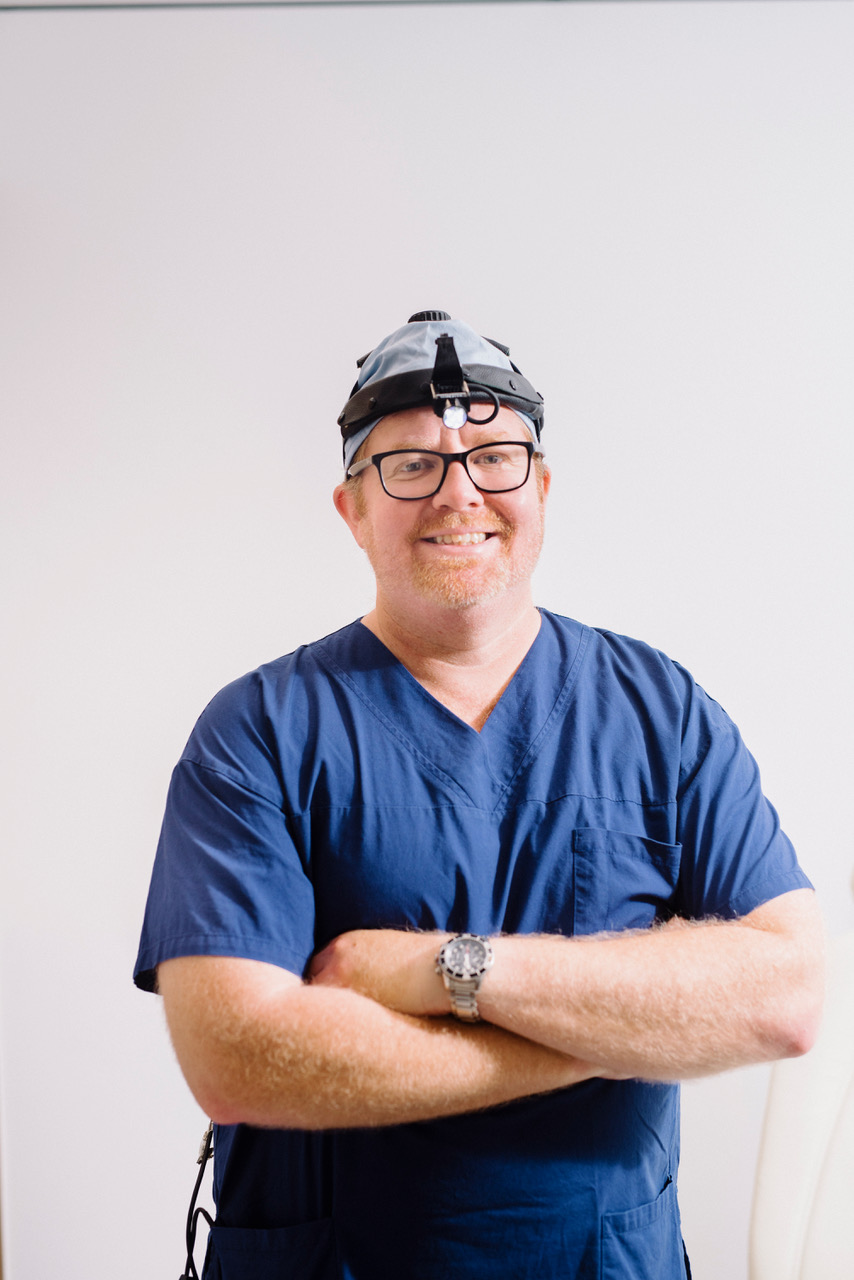
Dr Joel Tuckett
Oral and maxillofacial surgeon, Brisbane
Phone (07) 3063 7675
Level 6, 141 Queen St, Brisbane QLD 4000
What to expect after wisdom teeth surgery
General information about recovery. Day 1 is the day after your surgery. Dr Tuckett gives you specific instructions after your procedure, and those are the ones to follow.
Days 1 to 3
You are often still numb the day after surgery. Swelling increases over the first days, and day 3 is usually the most uncomfortable, when swelling usually peaks. You may be sore and require regular analgesia.
Days 4 to 7
Pain and swelling usually start to subside on day 4, and most patients are back at work by day 7. Some people return on day 4 if they have only had one or two teeth removed.
Beyond a week
Some people take longer. Follow the instructions Dr Tuckett gave you, or call the rooms.
Day 1Days 5-7Beyond
A typical pattern of discomfort easing over the week, yours may differ.
Questions to ask at your consultation
Would local anaesthetic or general anaesthetic suit my teeth, and where would it be done?
What does my personal risk profile look like, given my medical history and the anatomy of my teeth?
How much time off should I plan for, and can you provide a medical certificate?
Which pain killers will I take, and for how many days?
What written instructions will I get after the procedure?
My notes
This sheet is general information, not medical advice, and your recovery may differ from the typical pattern shown. Surgery carries risk, and you should seek a second opinion if you're unsure. Follow the specific instructions Dr Tuckett gives you after your procedure. Rooms: (07) 3063 7675.
Are there any risks of surgery? Wisdom tooth removal is a very safe procedure. The risks involved will depend on your medical history and anatomy. Dr Tuckett will discuss a personalised risk profile with you at your pre-operative consultation appointment, before you decide. After your procedure, Dr Tuckett will give you specific instructions for your recovery. General after surgery instructions are here.
For dentists and GPs
Referring a patient with troublesome or impacted wisdom teeth? Send it the way that suits your practice. Include the OPG or other imaging if you have it.
No. Wisdom teeth that have room, come through properly and can be kept clean can stay. Teeth stuck against another tooth or in the bone are usually best removed, because an examination and X-ray often show early damage even when there are no symptoms.
Will I be awake for the surgery?
That depends on the tooth and on your preference. A simple extraction may be done under local anaesthetic while you're awake but numb. More complex extractions, or patients who'd rather be asleep, are done under general anaesthetic in hospital with a specialist anaesthetist.
How long does it take to remove a wisdom tooth?
A single tooth usually takes 10 to 60 minutes. It depends on the shape of the tooth, how close it is to a nerve and how many teeth are removed at the same time.
How long is recovery?
Swelling usually increases over the first couple of days and reaches its peak on day 3, then settles over the rest of the week. Most patients are back at work by day 7, and the rooms can provide a medical certificate.
Do I need a referral?
Most patients are referred by their dentist or GP, and a referral gives Dr Tuckett the clinical detail he needs. Bring any X-rays or scans you have.
Book a wisdom teeth consultation
Call the rooms on (07) 3063 7675, or send an enquiry and the team will come back to you.
Dr Tuckett is an Oral and Maxillofacial Surgeon. At your consultation he explains the options and risks, and he looks after you from the first appointment through to discharge.
Dr Tuckett is an internationally published author in the fields of Facial trauma, Antibiotic stewardship, Radiotherapy induced Xerostomia, Parotid surgery and Head and Neck cancer. He is a senior lecturer at the University of Queensland where he educates both medical and dental students.
He currently has public appointments at the Princess Alexandra, STARS and Mackay Base hospitals where he works to train the new generation of surgeons.