Home / Procedures / Facial trauma
Oral and maxillofacial surgery · Brisbane
Facial trauma surgery
Facial injuries can involve broken bones or cuts to the face and mouth. Dr Tuckett assesses them, explains whether you need an operation, and treats them. Anyone with a facial injury should see an oral and maxillofacial specialist as soon as possible. Consultations are held at each of his rooms.
About facial trauma
What is Facial trauma?
Facial trauma is an injury to the face usually resulting from sporting injuries, workplace accidents, road traffic accidents, falling over and unfortunately interpersonal violence.
Left untreated, the result can be unnecessary disfigurement and deformity.
Anyone suffering facial trauma should see an oral & maxillofacial specialist as soon as possible.
The injuries Dr Tuckett treats
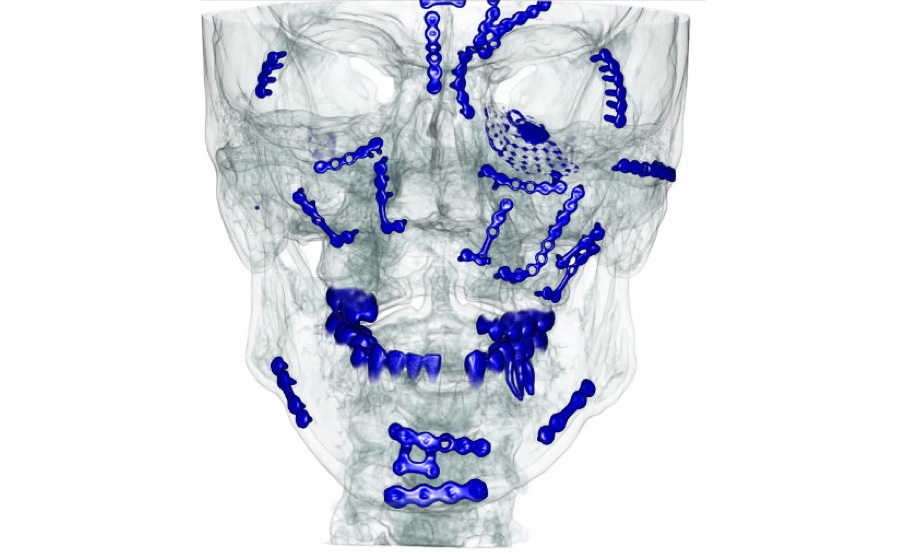
Facial trauma may include fractures (broken bones) of the mandible (lower jaw), maxilla (upper jaw), nasal bones (nose), zygoma (cheekbone), orbit (eye socket), frontal bone (forehead) or lacerations to the face or mouth.
In the event that you sustain facial trauma, your General Practitioner (GP), Dentist or Emergency Physician can refer you to Dr Tuckett for treatment.
Symptoms
What are the symptoms of facial trauma?
Usually facial trauma results in pain and swelling of the face, though symptoms depend on what part of the face is injured. For example, fractures of the mandible may result in symptoms in the lower face or in front of the ear. This is in contrast to fractures of the zygoma or orbit which may result in symptoms in the middle of the face or cheek. These lists are general information, not a diagnosis.
Fractures of the mandible
For example, fractures of the mandible may result in:
- A malocclusion (teeth not fitting together correctly)
- Paraesthesia: altered sensation or numbness affecting the lower lip, chin and lower teeth
- Bleeding and lacerations within the mouth
- Loose, missing or mobile teeth
Fractures of the zygoma and orbit
This is in contrast to fractures of the zygoma and orbit which may result in:
- Diplopia: double vision
- Paraesthesia: altered sensation or numbness affecting the cheek, nose and upper teeth
- Noticeable facial asymmetry or flattening of the cheekbone
- Enophthalmos or proptosis: a sunken or swollen eye
- Pain on nose blowing, or a sensation like rice bubbles under the skin (subcutaneous emphysema)
Assessment and treatment
How do you treat facial trauma?
Treatment depends on the nature and severity of the injury. Here's how it usually begins.
A thorough history and examination
At your initial consultation, Dr Tuckett will take a thorough history, perform a comprehensive examination and review any x-rays or CT scans which your doctor may have organised.
A review of your imaging
He will advise if any further investigations are required.
Whether you need surgery
Many instances of facial trauma can be treated conservatively without an operation and Dr Tuckett will explain to you whether you require surgery or whether your body will heal by itself.
Your options, if surgery is needed
If surgery is needed, he will discuss options for aesthetic and minimally invasive surgical management of your condition and discuss the procedure and any associated risks in depth. He will also advise you of what to expect in the post-operative period.
What surgery involves
What does facial trauma surgery involve?
Treatment of facial injuries varies depending on the nature and severity of the injury.
Open reduction and internal fixation
Facial fractures often require open reduction (realignment of the bones) and internal fixation (stabilising the bones in place with titanium plates and screws). This is particularly true if there is a malocclusion, noticeable deformity or functional impairment.
- Dr Tuckett uses existing lacerations or hidden incisions
Closed reduction or braces
Less severe injuries may be treated by closed reduction without any incision or by the application of specialised braces on the teeth.
Where will surgery be performed?
Local anaesthetic, same day
If you have sustained a small laceration to the mouth or face not associated with any other injuries, you may have the option of having your procedure performed the day of your initial consultation. This will be performed under local anaesthesia with injections to numb the gums or skin so you do not feel any discomfort.
General anaesthetic in hospital
For fractures of the bones it is usually necessary to have your procedure performed in hospital under general anaesthetic. You will be asleep for the duration of the procedure. You will be admitted on the day of your procedure and usually will be discharged the next day following review by Dr Tuckett.
Recovery
How long is the recovery after surgery?
Most patients have healed completely by six weeks following surgery, though most people are back to work after two to three weeks depending on the severity of the injury.
General timeframes only, and they depend on the severity of the injury. Dr Tuckett gives you specific instructions for your own care after your procedure, and those are the ones to follow.
Day after surgery
Home from hospital
You're usually discharged the next day, following review by Dr Tuckett.
2 to 3 weeks
Back to work
Most people are back at work, depending on the severity of the injury.
6 weeks
Healed
Most patients have healed completely by six weeks after surgery.
12 weeks
Contact sports
You'll need to avoid contact sports, usually for 12 weeks, to allow enough time for bony healing.
Diet. Some injuries, such as jaw fractures, may require you to maintain a soft, non-chew diet for a period of time after your operation. You will also need to avoid contact sports after your surgery. This is usually for 12 weeks to allow sufficient time for bony healing. After your procedure, Dr Tuckett will provide you with specific instructions regarding your post-operative care, general instructions are available here.
After surgery careAbout risk. Dr Tuckett discusses the procedure and any associated risks in depth at your consultation, before you decide. This page is general information, not medical advice.
For emergency departments, dentists and GPs
Your general practitioner, dentist or emergency physician can refer a patient with facial trauma to Dr Tuckett. Include any x-rays or CT scans you've organised: he reviews them at the initial consultation and advises if anything further is needed.
- Online referral form
- Fax
- PDF referral
Questions
Facial trauma questions
What causes facial trauma?
It's usually the result of sporting injuries, workplace accidents, road traffic accidents, falls and interpersonal violence.
Who can refer me to Dr Tuckett?
Your general practitioner, dentist or emergency physician can refer you to Dr Tuckett for treatment.
Will I need an operation?
Many instances of facial trauma can be treated conservatively without an operation. Dr Tuckett will explain whether you need surgery or whether your body will heal by itself.
Will I be asleep for the surgery?
For fractures of the bones it's usually necessary to have the procedure in hospital under general anaesthetic, so you're asleep for the whole procedure. A small laceration to the mouth or face with no other injuries may be treated under local anaesthetic, with injections to numb the gums or skin.
How long will I be in hospital?
You're admitted on the day of your procedure and usually discharged the next day, following review by Dr Tuckett.
How long is the recovery?
Most patients have healed completely by six weeks after surgery, and most people are back at work after two to three weeks, depending on the severity of the injury. Some injuries, such as jaw fractures, may need a soft, non-chew diet for a period. Contact sports are usually avoided for 12 weeks. Read the general after surgery care information.
Book a facial trauma consultation
Call the rooms on (07) 3063 7675, or send an enquiry and the team will come back to you.